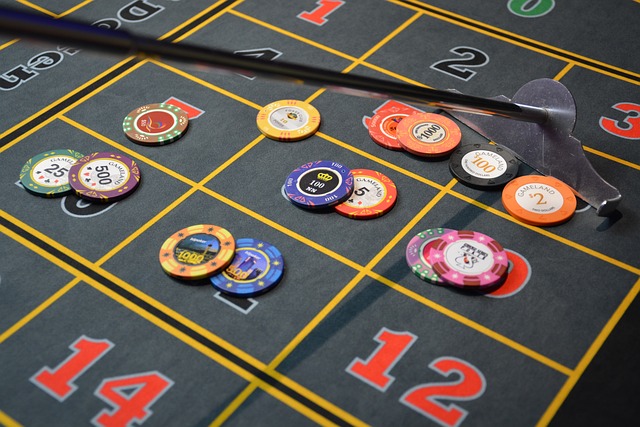
Somewhere in a smoky backroom or a sleek online betting app, a player stares at the roulette wheel with religious fervor. It’s landed on red five times. Surely, they whisper, black is due. And just like that, the brain plays its old trick, dealing illusions like it’s a Vegas magician. Welcome to the seductive world of mental fallacies, where logic takes a holiday and your wallet takes a hit.
The Gambler’s Fallacy: Luck Doesn’t Keep a Ledger
Let’s start with the headliner: the gambler’s fallacy—also known as the Monte Carlo fallacy, named after a 1913 incident when a roulette wheel hit black 26 times in a row, leaving hundreds of gamblers broke, waiting for red. The fallacy whispers that outcomes balance themselves. If something hasn’t happened in a while, it must happen soon.
Here’s the kicker: chance doesn’t keep score. Each spin, toss, or roll is its own little universe—completely unaware of what happened before. That coin doesn’t know it landed on heads four times. It isn’t guilty. It’s just flipping.
The Hot-Hand Illusion: When You’re Not Actually On Fire

On the other side of the psychological coin is the hot-hand fallacy, made famous by basketball. You hit three free throws in a row and suddenly you believe you’re untouchable—Michael Jordan with divine aim. In betting, it’s the sense that you’re “in the zone,” and logic? Well, it’s taking a smoke break outside.
Truth is, humans are pattern-hunting creatures. We see streaks and assign them meaning—even if they’re just statistical blips. Your “hot streak” might just be random noise dressed up as fate.
Middle of the madness, players scroll through TonyBet, eyes scanning odds like tarot cards, looking for the next lucky break. And in that zone, that electric moment of false clarity, they forget: a streak isn’t a strategy.
On forums discussing live games on TonyBet, users talk about riding the wave—doubling down when the numbers feel right. But feeling isn’t fact. And waves? They crash.
Regression to the Mean: Gravity Always Wins
Say you have an outrageously lucky week. You start to believe you’ve cracked the system. But then comes the slump, the fall, the sad violin music. What you’ve just experienced is regression to the mean. It’s not karma—it’s math. Luck has an elastic band. Stretch it too far, and it’ll snap you back to average.
Many bettors confuse an outlier moment with a new standard. “I won $200 last week, I must be on a roll!” Nope. The universe is just nudging you gently back into statistical normalcy.
How to Fight the Trapdoor Mind

Awareness is your best armor. Here’s your toolkit:
- Write down your bets and the reasons behind them.
- Take breaks. Cognitive bias loves a tired mind.
- Question your “gut feelings.”
- Don’t trust streaks—trust strategy.
In the casino of life, your brain is both the dealer and the cheat. If you let it, it’ll deal you dreams and take your chips. So stay sharp, question the story your neurons are telling you, and never forget: the house may always win, but your mind doesn’t have to help it.