
Crypto casinos grew fast. The promise? Instant payments, no banks, and total freedom. But freedom comes with risk. Hackers saw a new goldmine. Unregulated platforms offered few protections. A perfect storm was brewing, but 22Bet CZ knew this and took precautions before anything happened.
Not Your Average Casino Robbery
No ski masks. No vaults. No cameras. These heists happen behind screens. A few lines of code can unlock millions. Thieves don’t need guns—just skills. It’s basically a modern outlaw’s toolkit: laptop, VPN, and time.
Case File: The 2019 FairWin Breach
In September 2019, FairWin, a decentralized gambling app, lost over $300,000 in Ethereum. The system had flaws. Hackers spotted them. Within hours, they drained the smart contract. There was no “undo” button. Players? Left broke. The developers? Silent.
A Quiet Battlefield of Code
Unlike Hollywood heists, crypto thefts are quiet. There’s no drama. Just digits vanishing. Now you see it, now you don’t. Most users don’t even realize until it’s too late.
Where Regulation Doesn’t Reach
Most crypto casinos operate in legal gray zones. Some are offshore. Others don’t even list an address. This makes recovery hard. Police often can’t trace the money. Victims are left shouting into the void.
Robin Hood or Cybercriminal?
In 2022, a hacker breached a slot game on a lesser-known crypto site. The jackpot system had a flaw. He drained $500,000—but then, oddly, returned half. Why? “Too easy,” he wrote in a public message. Was it a statement or a cover? No one knows.
The High Cost of Anonymity
Crypto transactions are traceable, but wallets are anonymous. That’s the twist. Once money is stolen, thieves split it, mix it, and hide it through decentralized exchanges. By the time law enforcement notices, it’s too tangled to follow.
Inside Jobs and Insider Code
Sometimes, it’s not outsiders. Some heists come from within. A few rogue developers hide backdoors. They wait, sometimes for months. Then? Poof. They drain the pot and vanish. One casino in 2021 vanished with $1.2 million. Their website? Gone overnight.
The Players Who Vanish Too
Some gamblers flip the script. They exploit reward systems. One group ran a botnet to fake thousands of accounts. Each account triggered bonuses. They cashed out before detection. That casino lost nearly $90,000—death by a thousand cuts.
Crypto, Luck, and No Lifeguard on Duty
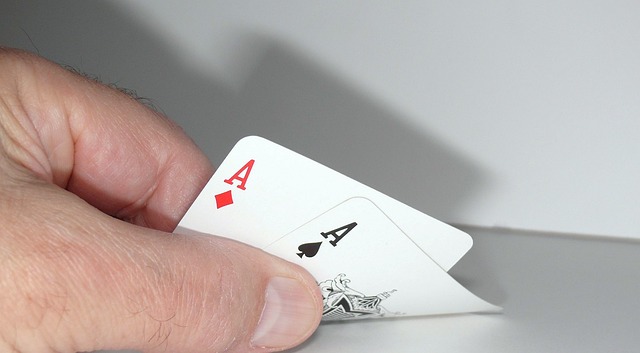
For some, the thrill of winning is doubled by the risk. No safety nets. No banks to call. Win big? Great. Lose everything in a hack? That’s on you. Crypto casinos aren’t playgrounds. They’re minefields.
Governments Playing Catch-Up
Regulators are struggling. Laws move slowly. Tech moves fast. The result? A game of whack-a-mole. Some platforms comply. Many do not. Even major countries like the U.S. haven’t kept pace with crypto gambling’s rise.
Heist Aftermath: Who Pays?
Most victims never get their money back. Traditional casinos have insurance. Crypto ones usually don’t. A few offer token refunds. Others vanish. Trust is fragile. One big heist can kill a casino overnight.
When Heists Become Urban Legend
Stories of crypto heists now spread like folklore. Some are exaggerated. Others are true. Players repeat them at forums like ghost stories. “Remember when XcoinBet got hit?” they whisper. It keeps paranoia alive.
Tech Arms Race: Developers vs Hackers

It’s a cat-and-mouse game. Developers patch flaws. Hackers find new ones. Some casinos now hire white-hat hackers to test their systems. But not all can afford it. And some just really don’t care that much—that is until it’s too late.
Lessons in Loss
One man lost 12 ETH in a now-defunct site. He says it taught him a lesson. “I was greedy,” he wrote. “If it looks too good, it is.” The sentiment is common. Painful, but common.
The Psychology of Risk
Why do people still play? Even after the thefts? For some, it’s the adrenaline. For others, it’s the dream of beating the odds. The same impulse that draws people to poker tables fuels their crypto wallets. Only now, the dealer could be a hacker.
Slot Machines on the Blockchain
Crypto slots are booming. They spin, blink, and pay like regular ones. But there’s no one to call when things go wrong. These digital games are built on smart contracts. If the contract has a bug, the jackpot might be a trap.